
Roof Coating vs.Roof Replacement: How to Know Which Your Commercial Property Needs
What a roof coating actually does, when it's the right call for a flat commercial roof, and the signs that mean you need a full replacement instead.
August 21, 2026 · 2 min read
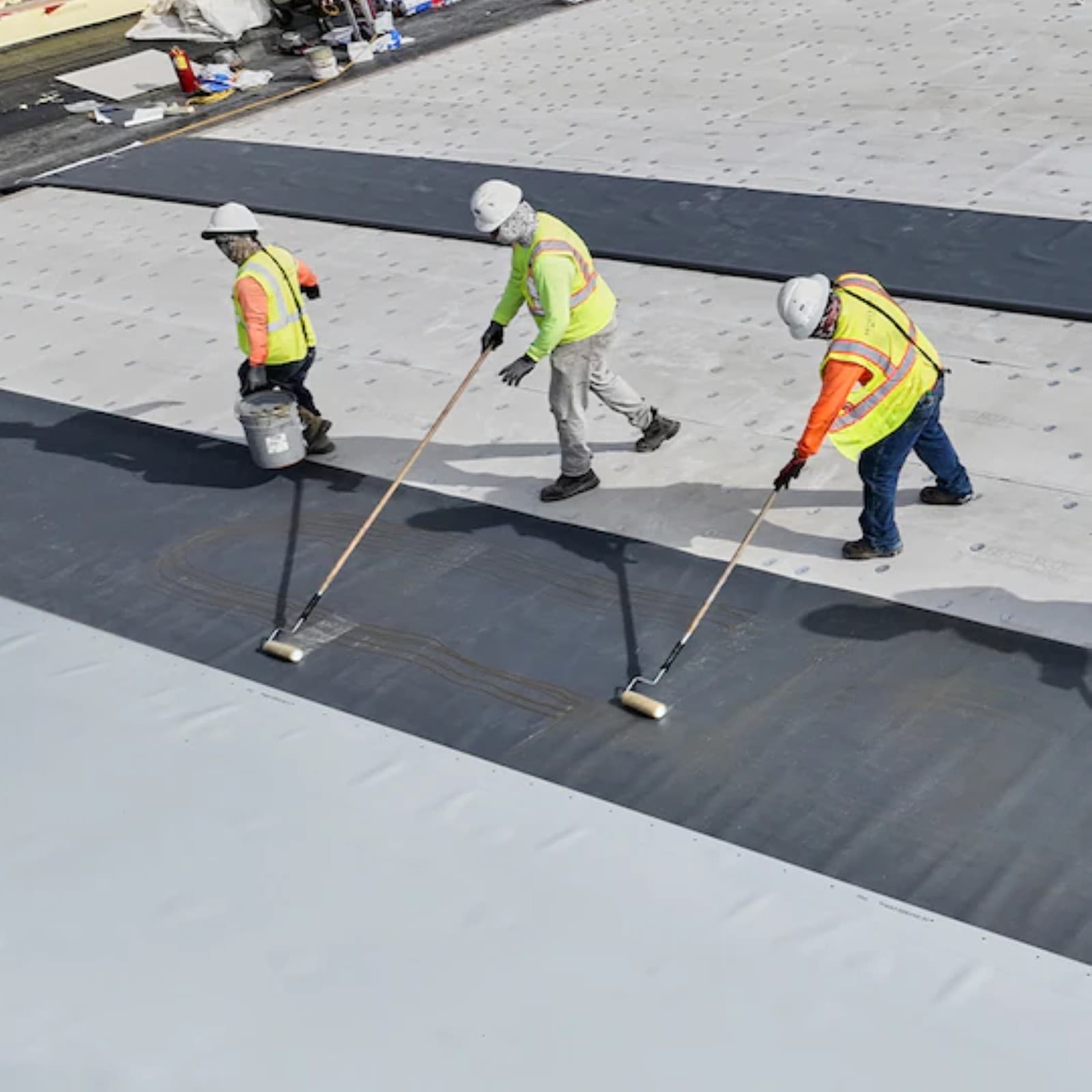
A roof coating extends the life of a roof that's still structurally sound but showing surface wear — it's not a fix for an already-failing membrane. If there's active leaking, ponding water damage, or the roof is past its expected service life, replacement is usually the right call.
Commercial flat roofs take a different kind of wear than residential shingle roofs — constant UV exposure, ponding water, foot traffic from HVAC service, and thermal cycling all shorten the membrane's life. The question property and facility managers usually need answered is simple: coat it, or replace it?
What a roof coating does
A roof coating is a liquid-applied protective layer over an existing roof membrane. Done right, it seals minor surface cracks, reflects UV to reduce heat load, and can add several years of protected life to a roof that's still structurally intact underneath.
- Best candidate: a roof with a sound membrane, minor surface wear, and no active leaks or structural concerns.
- Typical benefit: extended roof life plus reduced cooling costs from UV reflectivity — relevant for large flat commercial roofs.
- Not a fix for: torn or failing membrane, ponding water that's been sitting long enough to cause damage, or a roof already past its rated service life.
Signs you actually need a replacement
- 1Active leaks that keep recurring, especially after a coating or patch has already been tried.
- 2Ponding water that doesn't drain within 48 hours after rain — this signals a structural or slope issue a coating can't solve.
- 3Visible membrane deterioration — cracking, blistering, or separation at seams.
- 4The roof is at or past its expected service life for its material type (this varies by membrane, which is exactly what an inspection is for).
- 5Interior signs of water intrusion — stained ceiling tiles, mold, or damage to insulation below the roof deck.
Why an inspection should come before the decision
A roof that looks fine from the ground can have moisture already trapped under the membrane, or a structural issue that a coating would just seal in rather than fix. The reliable way to know which path is right is a physical roof inspection — checking the membrane condition, drainage, and any signs of trapped moisture — before committing to either option.
For facility and property managers running a maintenance budget across multiple buildings, this decision compounds: a coating done at the right time on a sound roof is a fraction of the cost of a full replacement, but a coating applied to a roof that actually needed replacing just delays an inevitable, more expensive job.
Take the Next Step
Put the guide to work on your property.
Not sure which your roof needs? We'll inspect it and give you a straightforward answer — no upsell, no obligation.
Get Your Free Roofing Estimate