
What Landlords Should Know About TI Allowances Before Negotiating a Lease
How TI allowance negotiations actually affect the deal, and how to protect the long-term value of the asset during buildout.
August 22, 2026 · 1 min read · For: Commercial landlords
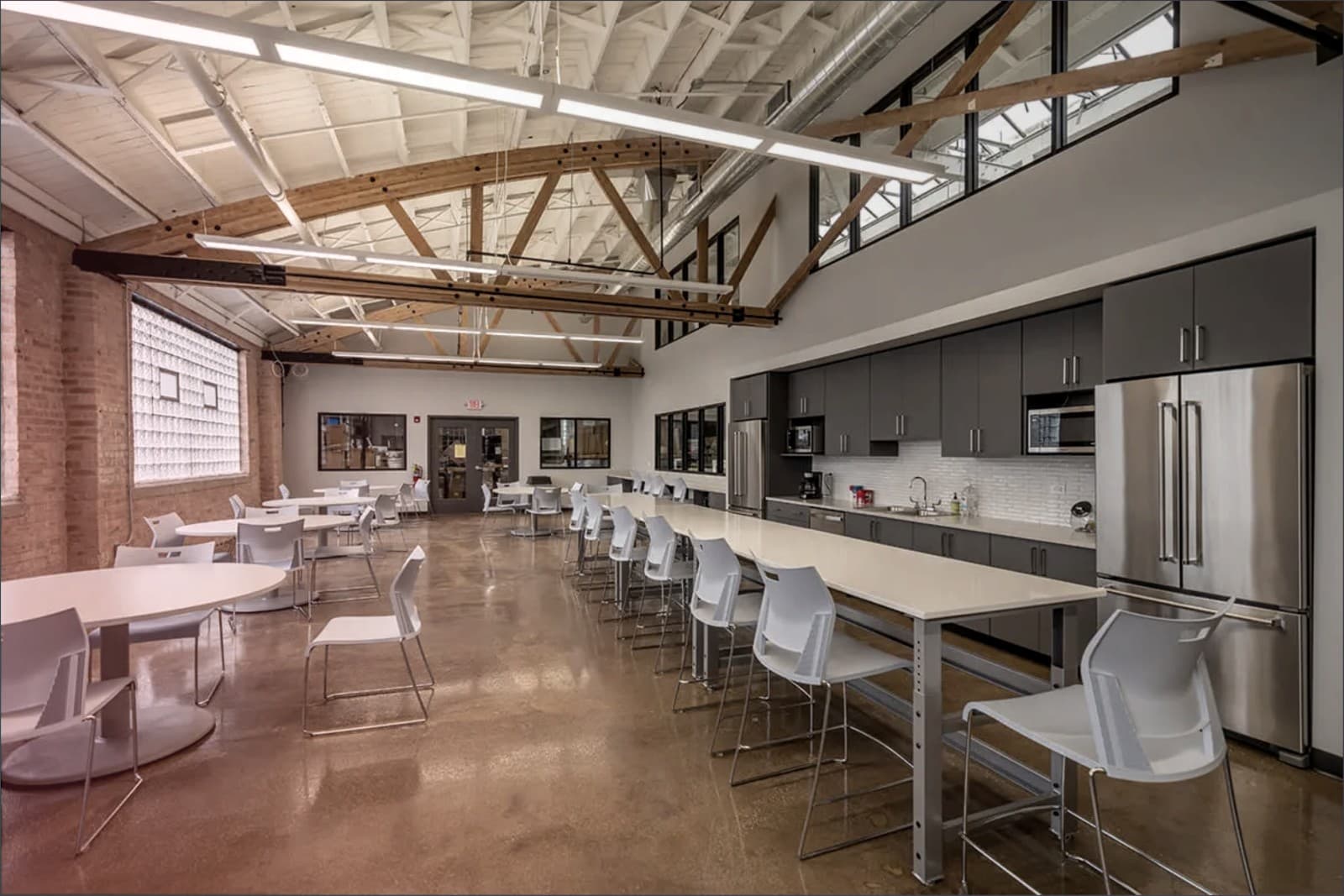
A TI allowance isn't just a lease-negotiation line item — it directly affects how the space gets built and what condition it's in after the tenant leaves. Landlords who understand the buildout side negotiate better lease terms.
For landlords, tenant improvement allowances sit at the intersection of lease negotiation and long-term asset value — get the scope and allowance mismatched, and you either overpay for a tenant's build-out or end up with a space that's harder to re-lease later.
What to think through before finalizing the TI terms
- Whether the proposed buildout adds long-term value to the space, or is so tenant-specific it'll need to be reversed at turnover.
- A realistic cost estimate for the actual scope, so the allowance negotiation is grounded in real numbers, not guesses.
- Who's responsible for cost overruns beyond the allowance — this should be explicit in the lease, not assumed.
- Timeline risk — delays in TI construction can push back rent commencement, which affects your returns.
Getting an accurate buildout estimate before the lease is finalized — not after — is what lets landlords negotiate TI terms from an informed position instead of a rough guess.
Take the Next Step
Put the guide to work on your property.
Negotiating a TI allowance? We'll give you a real scope and cost estimate before you finalize the lease.
Get Your Free Buildout Estimate